Source Double Drive Wire Feeder Roller for MIG Welding, Automation, and Repair
Browse 30 listings for double drive wire feeder rollers and compare outer and inner diameters, roller thickness, hole configurations, feeding speed ranges, and supported wire types. Buyers can review delivery terms, certifications, customization options, and packing details before requesting quotes from suppliers.
Key considerations
Products List




Comprehensive Sourcing Guide
Double Drive Wire Feeder Roller Sourcing Guide
Procuring double drive wire feeder rollers requires a precise understanding of mechanical compatibility and material handling capabilities. These components are critical for ensuring consistent wire feed in welding automation systems, particularly where high tension or specific wire types are involved. Buyers must distinguish between standard single-drive units and dual-drive mechanisms that offer enhanced stability and reduced slippage. The selection process begins with identifying the exact roller groove profile and drive configuration required for your specific welding torch and wire type.
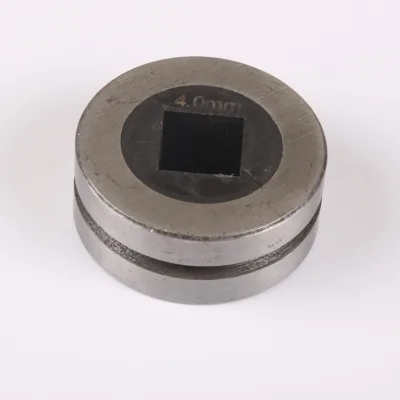
The market offers a variety of models, including those from brands like Hrotc and Huarui, which provide different dimensional specifications. It is essential to verify the outer diameter, inner diameter, and thickness of the rollers to ensure they fit your existing feeder housing. For instance, observed listings show variations such as 36mm outer diameter with a 10mm inner diameter, or 30mm outer diameter with a 14mm inner diameter. Matching these physical attributes to your machine’s specifications is the first step in preventing mechanical failure or improper wire feeding during operation.
Product Scope and Observed Listing Signals
The current market landscape for wire feeder rollers includes a diverse range of products, with observed prices spanning from $1 to $550,000 USD. This wide range indicates that listings may include everything from simple replacement rollers to complete automated feeder units. Buyers should carefully examine the product title and description to determine if they are purchasing individual rollers or integrated systems. For example, some listings explicitly mention "Hrotc Wire Feeder Roller," while others describe complete units with specific models like "Et-Dqssj22" or "Et-Sqssj17."
Observed minimum order quantities (MOQs) typically range from 1 to 20 units, suggesting flexibility for both sample testing and bulk procurement. Delivery times vary, with some suppliers offering 5-15 days and others citing 20 days for production. It is crucial to confirm whether the listed price includes shipping and taxes, as international logistics can significantly impact the final cost. Additionally, packaging details such as "Neutral Packing" or "Carton" should be noted to ensure safe transit and proper storage upon arrival.
Technical Specifications to Verify
When evaluating technical specifications, focus on the dimensional accuracy and material compatibility of the rollers. Key measurements include the outer diameter, inner diameter, thickness, and hole sizes at the edges. For example, one observed model has an outer diameter of 35mm, an inner diameter of 25mm, and a thickness of 8mm. Another model features a 42.3mm outer diameter with a 22.2mm inner diameter and a thickness of 14.2mm. These dimensions must align precisely with your feeder’s drive shaft and roller housing to ensure smooth operation.
For complete feeder units, verify the wire feeding speed range, voltage requirements, and suitable wire types. Some models support a speed range of 2-24m/min with DC24V power, while others offer 1.5-24m/min with DC18.3V/DC24V options. Compatibility with solid core, flux core, and aluminum welding wires is a critical factor. Additionally, check the welding wire diameter support, which may range from 0.8mm to 2.0mm. Ensuring these technical parameters match your production needs will prevent operational bottlenecks and ensure consistent weld quality.
Compliance and Safety Documentation
Compliance with international standards is vital for ensuring the safety and reliability of wire feeder components. Many suppliers provide certifications such as CE, ISO9001, TUV, RoHS, and SGS, which indicate adherence to quality and environmental regulations. Buyers should request copies of these certificates to verify their validity and scope. For instance, some listings explicitly mention ISO9001 and RoHS certification, while others include TUV and SGS marks. These certifications provide assurance that the products meet recognized safety and quality benchmarks.
In addition to certifications, verify the warranty terms and after-sales support offered by the supplier. A standard warranty period of 12 months is common for many feeder units, providing protection against manufacturing defects. Ensure that the warranty covers both parts and labor, and clarify the process for claiming warranty service. Understanding the supplier’s support structure is essential for minimizing downtime in case of equipment failure. Proper documentation and clear warranty terms contribute to a more secure and reliable procurement experience.
Cost Drivers and Commercial Terms
Several factors influence the total cost of acquiring double drive wire feeder rollers, including material quality, manufacturing complexity, and customization options. Customization is available for many products, allowing buyers to tailor specifications to their specific needs. However, customized orders may incur additional costs and longer lead times. Buyers should clearly define their requirements before requesting quotes to avoid unexpected charges. Understanding the cost structure helps in budgeting accurately and comparing offers from different suppliers.
Commercial terms such as payment methods, shipping costs, and delivery schedules also impact the overall expense. Suppliers may offer different delivery times, ranging from 5-15 days to 20 days, depending on stock availability and production capacity. It is important to negotiate clear delivery terms and confirm the incoterms used for shipping. Additionally, consider the potential costs of import duties and taxes, which can vary by destination. Transparent commercial terms help in avoiding hidden costs and ensuring a smooth transaction process.
Supplier Qualification and Quality Control
Evaluating supplier qualification is crucial for ensuring the reliability and consistency of wire feeder rollers. Buyers should assess the supplier’s production capabilities, quality control processes, and track record in the industry. Suppliers with ISO9001 certification typically have robust quality management systems in place. It is advisable to request samples before placing bulk orders to verify product quality and performance. Sampling allows buyers to inspect the rollers for dimensional accuracy, material integrity, and overall finish.
Quality control checks should include visual inspections, dimensional measurements, and functional tests if applicable. Buyers should inquire about the supplier’s defect rate and return policy. A reputable supplier will have clear procedures for handling defective products and providing replacements. Additionally, consider the supplier’s communication responsiveness and willingness to address concerns. Building a relationship with a reliable supplier ensures long-term support and consistent product quality, which is essential for maintaining production efficiency.
Long-Term Procurement Checks
Long-term procurement success depends on establishing a sustainable supply chain and maintaining regular performance reviews. Buyers should monitor supplier performance metrics such as on-time delivery, product quality, and customer service responsiveness. Regular audits or reviews can help identify areas for improvement and ensure that the supplier continues to meet your requirements. Building a strong partnership with your supplier can lead to better pricing, priority production, and improved support over time.
It is also important to stay updated on industry trends and technological advancements in wire feeder technology. As welding processes evolve, your feeder rollers may need to adapt to new wire types or higher performance standards. Maintaining open communication with your supplier about future needs can help in planning for upgrades or replacements. Additionally, consider diversifying your supplier base to mitigate risks associated with single-source dependency. A proactive approach to procurement ensures that your operations remain efficient and competitive in the long run.
FAQs
What are the standard dimensions for Hrotc wire feeder rollers?
Hrotc wire feeder rollers typically feature outer diameters ranging from 30mm to 42.3mm with inner diameters between 10mm and 25mm. Thickness varies by model, with common options including 11mm, 12mm, and 14.2mm. Edge hole sizes also differ, such as 4.2mm or 5.5mm, depending on the specific roller model selected for your welding equipment.
Which certifications are available for these wire feeder rollers?
The wire feeder rollers are certified to ISO9001, TUV, and RoHS standards. Some specific models also include SGS certification. These certifications indicate compliance with international quality management and safety regulations, ensuring the components meet rigorous manufacturing standards for industrial welding applications and global distribution requirements.
What is the typical lead time for ordering these rollers?
Delivery times for these wire feeder rollers generally range from 5 to 15 days. Some specific listings indicate a standard delivery window of 20 days. Actual lead times may vary based on order volume, customization requirements, and current production schedules. Confirming specific timelines with the supplier is recommended for accurate project planning.
Can these rollers be customized for specific welding machines?
Customization is available for these wire feeder rollers. Buyers can specify dimensions such as outer diameter, inner diameter, and thickness to match their equipment. The supplier offers neutral packing options, which facilitates private labeling or integration into larger assembly lines without conflicting branding or packaging constraints.
What is the minimum order quantity for these products?
The minimum order quantity for these wire feeder rollers starts at 1 unit. This low MOQ allows buyers to test compatibility with their welding systems before committing to larger bulk orders. It also supports small-scale maintenance needs or prototype development without requiring significant initial inventory investment.
Where are these wire feeder rollers manufactured?
These wire feeder rollers are manufactured in Changzhou, Jiangsu, China. The location is a known industrial hub for welding equipment components. Sourcing from this region often provides competitive pricing and access to specialized manufacturing capabilities for precision metal parts used in industrial welding applications.
What wire types are compatible with these feeder rollers?
These rollers are suitable for solid core, flux core, and aluminum welding wire. They support wire diameters ranging from 0.8mm to 2.0mm, depending on the specific model. This versatility makes them compatible with a wide range of welding processes and material types commonly used in industrial fabrication and construction.